
Owning a home involves far more than routine cleaning and cosmetic updates. Behind the walls, under the floors, and above the ceiling are systems and structures that require attention, planning, and informed decision-making. Many homeowners only become aware of these elements when something fails, often leading to stress, high costs, and rushed decisions that could have been avoided.
This article is designed to help homeowners understand how essential residential services fit together and why proactive care matters. By learning how to recognize early warning signs, plan maintenance, and approach upgrades thoughtfully, homeowners can protect their investment while improving comfort, safety, and efficiency. Rather than reacting to emergencies, informed homeowners are better positioned to make long-term decisions that support the overall health of their property.
Protecting Your Home’s Exterior From Weather and Environmental Stress

Ensuring your home’s exterior can withstand weather and environmental stress is crucial to maintaining its appearance and structural integrity. Taking these proactive steps can save you time and money by preventing costly repairs and maintaining your home’s value.
The exterior of a home is constantly exposed to environmental stress, including sunlight, wind, moisture, and temperature fluctuations. Over time, these elements weaken materials, even when damage is not immediately visible. One of the most critical components of exterior protection is residential roofing, which shields the entire structure from water intrusion and heat loss. When this protective layer begins to fail, problems can quickly spread to insulation, framing, and interior finishes.
Homeowners often assume that obvious leaks are the first sign of trouble, but many issues develop silently. Subtle changes such as uneven surfaces, discoloration, or granule loss can indicate deeper problems. A professional roofer understands how different materials age and can identify vulnerabilities before they become emergencies. Regular inspections help homeowners plan repairs strategically rather than responding to sudden failures.
Preventive attention to the exterior also supports energy efficiency and indoor comfort. Heat gain and loss often occur through compromised materials, increasing utility costs year-round. Addressing these concerns early helps maintain consistent indoor temperatures while reducing strain on mechanical systems. In the long run, protecting the exterior is not just about avoiding damage; it is about preserving the integrity of the entire home.
Practical tips for homeowners:
- Regular Maintenance: Inspect your home’s exterior regularly for any signs of wear and tear. This includes checking for cracks, peeling paint, and damage to the roof or siding.
- Protective Coatings: Apply weather-resistant coatings or sealants to your home’s exterior surfaces. This can help shield them from rain, UV rays, and other harsh elements.
- Quality Materials: Use durable materials for your roofing and siding. Materials like fiber cement or metal can offer better protection against severe weather conditions.
- Gutter Management: Ensure your gutters are clean and free of debris. Proper drainage can prevent water damage to the foundation and walls.
- Landscaping Considerations: Keep trees and shrubs well-trimmed to prevent damage from branches during storms. This also facilitates better air circulation around your home.
- Insulation and Ventilation: Ensure your home is well-insulated and ventilated to prevent moisture build-up, which can lead to mold and rot.
Addressing Minor Damage Before It Escalates Into Major Repairs
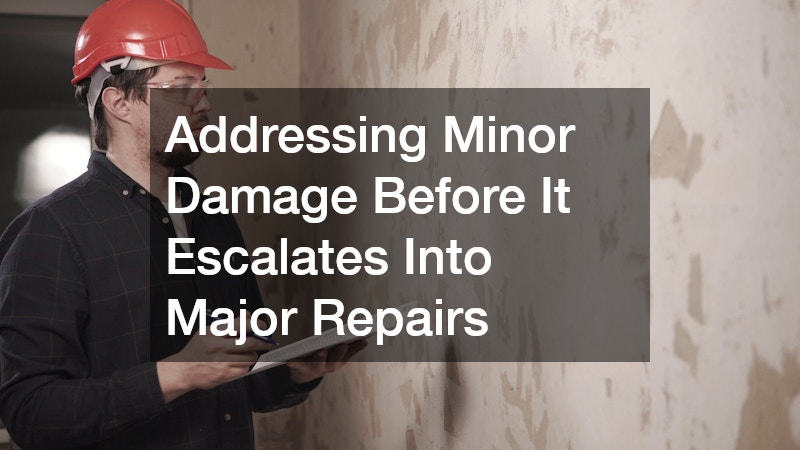
Small issues are easy to overlook, especially when they do not immediately affect daily life. However, postponing action often leads to more extensive damage that is far more expensive to correct. Residential roof repair is most effective when problems are addressed early, before moisture spreads or structural components are compromised. A loose section or damaged seal may seem minor, but over time, it can allow water to infiltrate areas that are difficult to access and repair.
Homeowners benefit from understanding when a repair is sufficient versus when replacement or reinforcement is needed. Reputable roofing companies provide detailed explanations of the condition of materials and the expected lifespan of repairs. Rather than focusing solely on cost, homeowners should evaluate the scope of work, materials used, and how repairs integrate with existing structures.
Actionable steps to stay ahead of repairs:
- Document visible damage with photos before contacting professionals.
- Track when issues first appeared to provide accurate timelines.
- Avoid temporary fixes that hide symptoms without addressing causes.
- Schedule repairs during mild seasons when access and materials are optimal.
Before contacting professionals, it helps to prepare by documenting visible issues and noting when they first appeared. This information supports accurate assessments and prevents misunderstandings. Addressing problems promptly reduces the likelihood of interior damage and helps homeowners maintain control over both timing and budget.
Maintaining Comfortable Indoor Conditions Through Preventive System Care
Indoor comfort relies heavily on systems that operate behind the scenes. Heating and cooling equipment work continuously to regulate temperature, manage humidity, and maintain air quality. Without routine HVAC maintenance, systems gradually lose efficiency, leading to higher energy bills and increased wear on components. Many breakdowns occur not because systems are old, but because they have been neglected. A well-maintained HVAC system can regulate indoor temperatures more effectively. When components are clean and calibrated, airflow remains steady, and the system does not have to overwork to reach the thermostat setting.
Preventive care includes both homeowner actions and professional servicing. Dust, debris, and clogged filters restrict airflow and force the system to work harder. Over time, this leads to uneven cooling or heating and poor indoor air quality. Simple tasks such as changing filters and keeping vents clear help maintain airflow, while scheduled inspections identify worn parts or calibration issues. Partnering with a reliable HVAC company ensures that maintenance is thorough and tailored to the specific system and home layout.
Homeowner-friendly maintenance habits include:
- Replace air filters every 1 to 3 months.
- Keeping vents unobstructed by furniture or rugs.
- Monitoring energy bills for unexplained increases.
- Listening for unusual noises or cycling patterns.
When systems are properly maintained, they operate more quietly, respond more effectively to temperature changes, and last longer overall. Homeowners who invest in routine care often avoid emergency repairs during extreme weather, when service availability is limited. When homeowners invest in preventive system care, they are really investing in peace of mind. A well-maintained HVAC system delivers reliable comfort, cleaner air, and lower operating costs, all while avoiding the stress of surprise repairs. Consistent maintenance supports comfort, efficiency, and long-term cost savings.
Knowing When to Upgrade Cooling Systems for Long-Term Efficiency
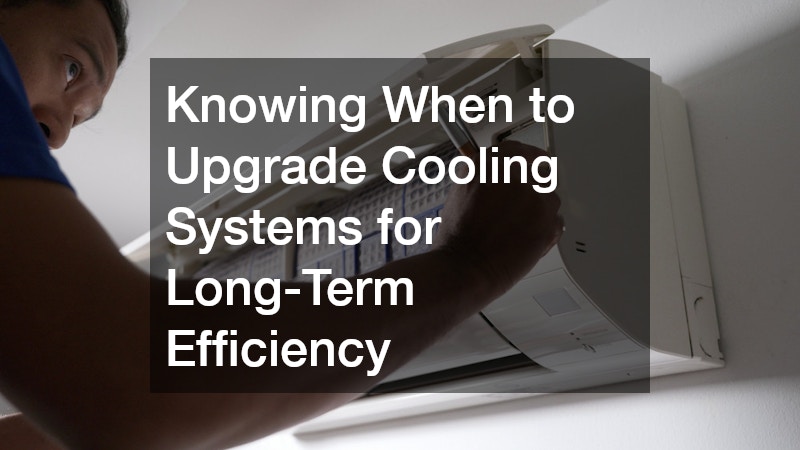
Even with diligent maintenance, mechanical systems eventually reach the end of their useful life. Aging cooling systems often struggle to meet demand, especially during periods of high heat. In these situations, central air installation may be a more cost-effective solution than continuing to repair outdated equipment. Understanding when replacement makes sense helps homeowners avoid pouring money into systems that no longer perform efficiently. Grinding, rattling, or loud startup noises often point to failing components or an outdated design. Newer systems are engineered for quiet operation, a major comfort upgrade. If homeowners are adding square footage, finishing a basement, or upgrading insulation, the existing system may no longer be properly sized.
Upgrading is not simply about purchasing new equipment. Home size, insulation levels, ductwork condition, and layout all influence performance. A poorly planned upgrade can lead to uneven cooling or excessive energy use, even with modern equipment. Careful evaluation ensures that new systems are appropriately sized and integrated into the home.
Key considerations before upgrading:
- Evaluate insulation and sealing to avoid overspending on capacity.
- Ensure ductwork is properly sized and in good condition.
- Compare long-term operating costs, not just upfront pricing.
- Plan installation during off-peak seasons when scheduling is easier.
Timing also matters. Planning an upgrade before a complete system failure allows homeowners to compare options, schedule work conveniently, and prepare the home. Thoughtful installation improves comfort, reduces operating costs, and supports long-term reliability rather than providing a temporary fix.
Improving Home Safety Through Proper Electrical Planning
Electrical systems are fundamental to modern living, yet they are often taken for granted until something goes wrong. Overloaded circuits, outdated wiring, and insufficient capacity pose safety risks that can lead to equipment damage or fire hazards. Professional electrician services play a critical role in identifying and correcting these issues before they escalate.
Warning signs such as flickering lights, tripped breakers, or warm outlets should never be ignored. These symptoms often indicate underlying problems that require professional evaluation. Electrical systems must also evolve alongside lifestyle changes, such as adding high-powered appliances or expanding living space.
Professional electrician services are essential when warning signs appear, such as:
- Frequently tripped breakers or blown fuses.
- Flickering lights or buzzing outlets.
- Warm switch plates or burning smells.
- Limited outlet availability leading to heavy extension cord use.
Proactive electrical upgrades support both safety and functionality. Proper planning ensures that systems can handle current and future demands without strain. Addressing electrical concerns early reduces risk, improves reliability, and supports other home improvements that depend on stable power.
Planning Interior Renovations Without Compromising Functionality
Interior renovations can dramatically improve how a home looks and functions, but they also introduce complexity. Kitchen remodeling, in particular, involves multiple systems working together, including electrical, plumbing, ventilation, and structural elements. Without careful planning, these projects can disrupt daily life and lead to costly revisions.
Successful renovations begin with clear goals and realistic expectations. Homeowners should consider how changes will affect workflow, storage, and appliance performance. Evaluating existing systems before construction begins helps prevent delays and ensures compatibility with new features.
Planning tips for smoother projects:
- Finalize layouts before work begins to avoid mid-project changes.
- Confirm that existing systems can support new appliances.
- Budget for hidden costs such as structural reinforcement or upgrades.
- Schedule work in phases to reduce downtime.
Budgeting is another critical factor. Hidden costs, such as upgrades to wiring or ventilation, often arise during renovations. Planning for these possibilities allows homeowners to make informed decisions rather than reactive compromises. Well-planned renovations enhance both appearance and long-term usability.
Preparing for Ground-Level and Structural Projects With Confidence

Some home projects extend beyond visible structures and require work below the surface. These projects involve soil conditions, drainage patterns, and underground utilities that can significantly affect outcomes. Excavating contractors bring specialized knowledge and equipment to manage these complexities safely and efficiently.
Preparation begins with understanding the scope of the work and how it may impact surrounding areas. Soil stability, moisture levels, and proximity to existing structures all influence how excavation should proceed. Addressing these factors early helps prevent settlement, erosion, or water-related issues after the project is complete.
Before groundwork begins, homeowners should:
- Verify utility markings and permits.
- Understand how soil conditions affect stability.
- Confirm drainage plans to prevent water issues.
- Ask how the site will be restored after completion.
Clear communication is essential throughout the process. Homeowners should understand timelines, access requirements, and restoration plans. When groundwork is approached thoughtfully, it provides a stable foundation for future improvements rather than introducing new challenges.
Coordinating Multiple Services for Efficient Project Management
Homes function as interconnected systems, and changes to one area often affect others. Coordinating multiple services requires careful planning to avoid conflicts and delays. Structural work, mechanical upgrades, and interior finishes must be sequenced correctly to ensure efficiency and quality.
Effective coordination begins with understanding dependencies. For example, electrical and mechanical updates should be completed before walls are closed or finishes installed. Clear scheduling and communication help professionals work efficiently without interfering with one another.
Keeping detailed records of work performed, materials used, and warranties supports future maintenance and resale. Homeowners who take an organized approach to service coordination often experience smoother projects and better long-term results.
Best practices for managing multiple services:
- Schedule structural and groundwork projects first.
- Complete electrical and mechanical upgrades before interior finishes.
- Maintain clear communication between professionals.
- Keep detailed records of inspections, warranties, and repairs.
Maintaining a home is an ongoing process that requires awareness, planning, and informed decision-making. By understanding how essential systems and services work together, homeowners can take a proactive approach to care and improvement. This mindset reduces stress, controls costs, and protects the long-term value of the property.
Rather than reacting to emergencies, informed homeowners plan, address issues early, and invest wisely in upgrades. With the right knowledge and preparation, maintaining a home becomes a manageable and rewarding responsibility that supports comfort, safety, and peace of mind for years to come.