
Homeownership comes with more than mortgage payments and routine cleaning. Over time, every property requires maintenance, repairs, upgrades, and occasional professional attention. Knowing which services are available can help homeowners recognize potential problems early, make informed decisions, and protect the condition of their property. Some projects focus on preventing damage, while others improve comfort, appearance, safety, or long-term functionality. Understanding the purpose of these services can also make it easier to determine when a do-it-yourself solution may be appropriate and when professional assistance is the better choice.
Address Essential Water and Drainage Needs
Water is essential to everyday life, but problems involving supply lines, drains, fixtures, and other components can quickly disrupt a household. Professional plumbing services address a broad range of systems responsible for bringing water into a home and carrying wastewater away. Common concerns can include dripping faucets, slow drains, running toilets, leaking pipes, low water pressure, and damaged water lines.
Even relatively minor leaks deserve attention. A small leak beneath a sink or behind an appliance may eventually contribute to moisture damage, staining, unpleasant odors, or deterioration of surrounding materials. Larger problems can affect flooring, walls, cabinetry, and other areas of a home.
Homeowners can watch for signs that a professional evaluation may be necessary, including:
- Water stains on ceilings or walls
- Persistent dripping or unexplained puddles
- Unusually low or inconsistent water pressure
- Drains that repeatedly become clogged
- Unusual sounds coming from pipes or fixtures
- Sudden increases in water usage without an obvious explanation
- Persistent odors coming from drains
Regular attention to household water systems can also help identify aging components before they fail. When a repair involves concealed pipes, major leaks, or complicated connections, professional service can help ensure that the underlying issue is addressed rather than temporarily concealed.
Protect the Home From the Elements
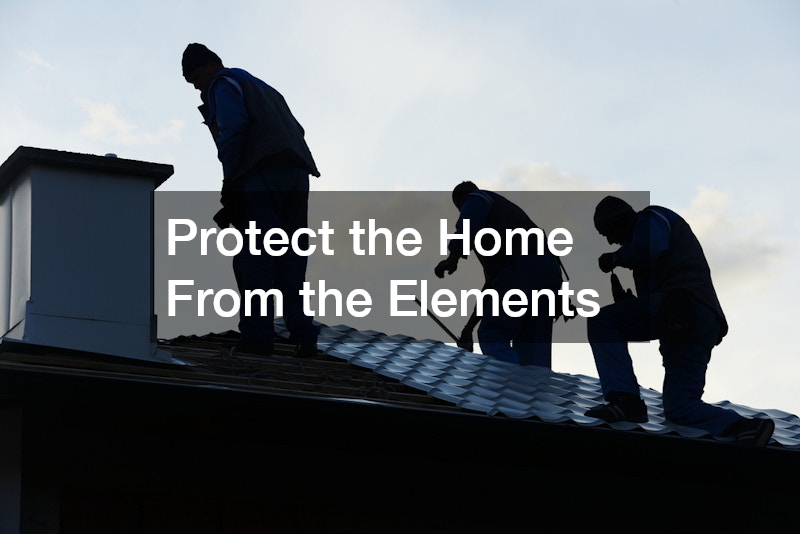
A home’s roof is one of its most important protective features. It helps shield the interior from rain, wind, sunlight, and changing outdoor conditions. Because roofing materials are constantly exposed to the elements, they can eventually experience wear that requires maintenance, repair, or replacement.
A metal roofing company can be an option for homeowners considering a durable roofing system or evaluating whether metal is appropriate for their property. Metal roofing is available in different materials, profiles, and finishes, so homeowners should consider factors such as the home’s design, local weather conditions, expected maintenance, and installation requirements before selecting a system.
Regardless of roofing material, homeowners should pay attention to warning signs such as:
- Missing, damaged, or deteriorating roofing materials
- Visible areas of rust or corrosion
- Water stains in attic spaces or ceilings
- Damaged flashing around roof penetrations
- Sagging sections
- Excessive granules collecting in gutters
- Light entering through areas that should be enclosed
Roof concerns should not automatically be treated as full replacement projects. Depending on the location and extent of the damage, a targeted repair may address the immediate problem. A professional assessment can help determine whether the issue is isolated or part of broader deterioration.
Keep Outdoor Areas Safe and Enjoyable
Outdoor improvements can significantly change how a property is used. From patios and landscaping to recreational features, homeowners have many options for creating spaces that accommodate relaxation and entertainment. One popular addition is an in ground pool, which can provide a dedicated area for swimming and outdoor recreation.
Adding a pool requires more than choosing a shape and location. Homeowners should consider available yard space, drainage, access for construction equipment, surrounding landscaping, maintenance requirements, safety features, and how the installation will affect the rest of the property.
Planning is especially important because an outdoor project can influence several areas at once. Before beginning, homeowners may want to evaluate:
- Property boundaries and available space
- Access to necessary utilities
- Drainage and grading conditions
- The desired location for equipment
- Fencing and other safety considerations
- Decking or surrounding hardscape
- Long-term cleaning and maintenance needs
- How the project will affect existing landscaping
A recreational improvement should fit the property rather than overwhelm it. Thoughtful planning can help create an outdoor area that remains practical and enjoyable over time.
Respond Quickly to Roofing Problems
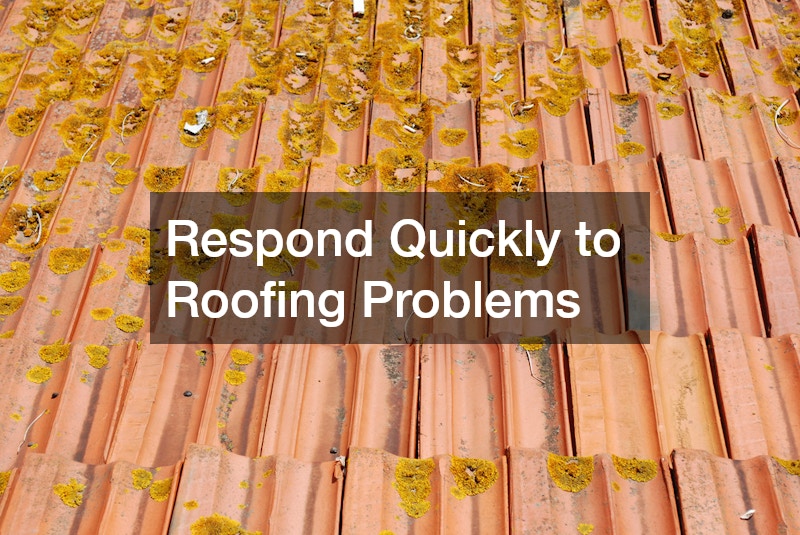
Roof damage does not always begin with an obvious leak. Wind, falling branches, aging materials, flashing problems, and prolonged exposure to moisture can all contribute to deterioration. Catching these issues early may prevent a relatively contained repair from becoming a more extensive home improvement project.
A roof repair company can evaluate visible damage and determine whether repairs are appropriate. The exact solution depends on the roofing material, age of the system, location of the problem, and extent of deterioration. Some situations may involve replacing individual materials, repairing flashing, addressing a localized leak, or correcting another specific issue.
Homeowners can make roof maintenance easier by performing visual inspections from the ground and monitoring the attic when appropriate. After severe weather, additional attention may be warranted.
Important signs include:
- New ceiling or wall stains
- Damaged shingles or other roofing materials
- Loose or missing components
- Damaged flashing
- Water appearing around roof penetrations
- Debris accumulating on the roof
- Sagging or visibly uneven areas
Roof repairs should be addressed promptly when damage is discovered. Waiting can allow water to reach insulation, framing, drywall, flooring, or other interior components. A timely evaluation can help clarify the scope of the problem and determine the most appropriate next step.
Deal With Unwanted Moisture and Organic Growth
Moisture problems can affect both the appearance and condition of a home. Areas with persistent dampness may develop musty odors, discoloration, or other signs that an underlying moisture issue needs attention. When organic growth is discovered, addressing the visible material alone may not resolve the source of the problem.
Mold removal and restoration services can be appropriate when affected areas require professional assessment, removal, cleaning, or restoration. The specific process depends on the size and location of the affected area, the materials involved, and the source of the moisture.
Homeowners should focus on finding and addressing moisture sources whenever possible. Potential causes may include plumbing leaks, roof leaks, condensation, poor ventilation, flooding, or drainage problems.
Helpful preventive measures can include:
- Repairing leaks promptly
- Keeping indoor areas adequately ventilated
- Monitoring spaces that are prone to moisture
- Addressing water intrusion after storms
- Maintaining appropriate airflow in bathrooms
- Checking areas around appliances that use water
- Investigating persistent musty odors
If moisture damage has affected porous materials or a large area, professional evaluation may be more appropriate than attempting to handle everything with household cleaning products. The goal should be to address both the affected materials and the conditions that allowed the moisture problem to develop.
Maintain a Reliable Private Water Supply
For properties that rely on private wells, maintaining the water system is an important part of responsible homeownership. Unlike homes connected to a municipal water supply, private well properties depend on equipment located on or around the property to access and deliver groundwater.
Water well contractors can help homeowners with services related to well systems, including evaluation, maintenance, repairs, and other work associated with private water supplies. The exact needs of a property can vary based on the well’s age, equipment, construction, water conditions, and usage.
Homeowners should pay attention to changes in water quality, pressure, or availability. Potential warning signs may include:
- Sudden changes in water appearance or taste
- Unusual odors
- Reduced water pressure
- Water that becomes cloudy or discolored
- Pumps that cycle unusually often
- A noticeable reduction in available water
Routine attention can help homeowners recognize changes before a larger failure occurs. Because well systems involve equipment and groundwater conditions that may not be readily visible, professional evaluation can provide information that a basic visual inspection cannot.
Upgrade Worn or Hard-to-Maintain Floors

Flooring has to withstand everyday traffic, furniture, spills, cleaning, and general wear. In garages, workshops, utility areas, commercial-style spaces, and other demanding environments, conventional flooring may not always provide the desired combination of appearance and durability.
Epoxy flooring services can provide a coating option for suitable concrete surfaces. Epoxy systems can create a finished surface that is easier to clean and can give certain areas a more polished appearance. The performance of an installed system depends on factors such as surface preparation, product selection, application conditions, and proper installation.
Before choosing a flooring system, homeowners should consider how the space will be used. A garage exposed to vehicles and chemicals may have different requirements from a basement used primarily for storage or recreation.
Important considerations include:
- The existing condition of the concrete
- Cracks or surface imperfections
- Expected foot or vehicle traffic
- Exposure to moisture
- Cleaning requirements
- Desired appearance and finish
- Preparation needed before installation
Proper preparation is particularly important. Coatings applied over poorly prepared surfaces may not perform as expected. Homeowners should therefore evaluate the condition of the existing floor and understand the preparation and maintenance requirements associated with the selected system.
Improve Comfort and Energy Performance
Indoor comfort depends on more than the heating and cooling equipment. The building envelope also plays an important role in how easily a home maintains a consistent indoor temperature. Insufficient insulation can contribute to unwanted heat transfer, uncomfortable rooms, and increased demand on heating and cooling equipment.
Insulation contractors can evaluate areas where additional or replacement insulation may be appropriate. Depending on the home’s construction, insulation may be installed or improved in attics, walls, floors, crawl spaces, or other areas.
Homeowners may notice signs that insulation deserves attention, including:
- Rooms that are consistently warmer or colder than others
- Drafty areas
- High heating or cooling demand
- Noticeable temperature differences between floors
- An attic with inadequate insulation
- Exterior walls that feel unusually hot or cold
Improving insulation is not simply a matter of adding as much material as possible. The appropriate approach depends on the structure, existing insulation, ventilation, moisture conditions, and location of the work.
Homeowners should also consider air sealing as part of an overall efficiency strategy. Gaps and openings can allow conditioned air to escape and outdoor air to enter. Addressing these areas alongside insulation improvements may help create a more consistent indoor environment.
Keep Cooling Equipment Operating Properly
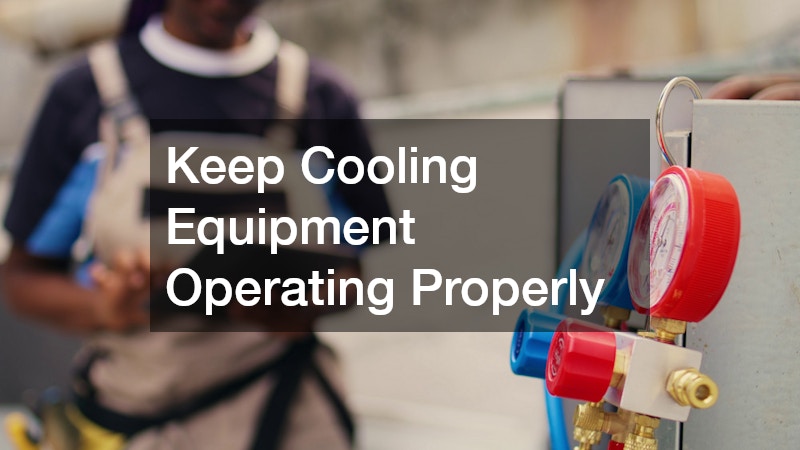
A home’s cooling system works hardest during periods of hot weather, making maintenance especially important in climates where air conditioning is used frequently. Reduced airflow, dirty components, electrical problems, refrigerant-related issues, and aging equipment can all affect performance.
Professional AC repair can address problems when a cooling system is not operating correctly. Symptoms may include insufficient cooling, unusual noises, repeated cycling, weak airflow, water around the indoor unit, or a system that struggles to maintain the desired temperature.
Homeowners can support system performance by handling basic maintenance and watching for changes in operation. Useful habits include:
- Replacing or cleaning filters according to the system’s requirements
- Keeping supply and return vents unobstructed
- Keeping the outdoor unit clear of excessive debris
- Paying attention to unusual sounds or odors
- Monitoring changes in cooling performance
- Scheduling professional attention when problems persist
Prompt attention can be particularly useful when a system begins behaving differently from normal. Continuing to operate equipment with an unresolved problem may allow a small issue to become more complicated.
Cooling performance can also be affected by factors outside the equipment itself. Poor insulation, air leakage, blocked airflow, and excessive heat entering through the building envelope may all influence how hard a cooling system has to work. A comprehensive approach can therefore be more useful than focusing on equipment alone.
Stay Ahead of Unwanted Household Pests
Pests can become a concern in virtually any home, particularly when insects or other unwanted organisms find access to food, water, shelter, or entry points. Some issues may appear suddenly, while others develop gradually and remain unnoticed until activity becomes more obvious.
Local pest control services can help homeowners address pest concerns based on the conditions affecting a particular property. Local knowledge can be useful because pest activity varies by climate, season, property type, and surrounding environment.
Homeowners can also reduce conditions that may attract pests by taking simple preventive steps:
- Seal gaps around doors and windows
- Keep food stored in appropriate containers
- Address plumbing leaks and standing water
- Keep outdoor areas reasonably clear
- Trim vegetation away from the structure when appropriate
- Clean up food debris promptly
- Monitor attics, garages, crawl spaces, and other low-traffic areas
The appearance of one pest does not necessarily mean that a home has a major infestation. However, repeated sightings, droppings, damaged materials, nests, or activity in multiple areas may justify a closer evaluation.
Preventive maintenance is often easier than responding to an established problem. Homeowners who regularly inspect both indoor and outdoor areas may have a better opportunity to identify potential entry points and environmental conditions before they contribute to recurring pest activity.
Home improvement is not limited to major renovations. Many of the most valuable projects involve maintaining essential systems, addressing developing problems, improving comfort, and making outdoor or indoor spaces more functional. From protecting the roof and maintaining water systems to improving flooring, insulation, cooling performance, and pest prevention, professional services can play an important role in keeping a property in good condition.
The best approach is to pay attention to changes in the home and address concerns before they become larger projects. Homeowners can prioritize repairs based on safety, urgency, potential for additional damage, and the long-term needs of the property. By understanding the services available and knowing the warning signs that may require professional attention, homeowners can make more informed decisions and take a proactive approach to maintaining their homes.