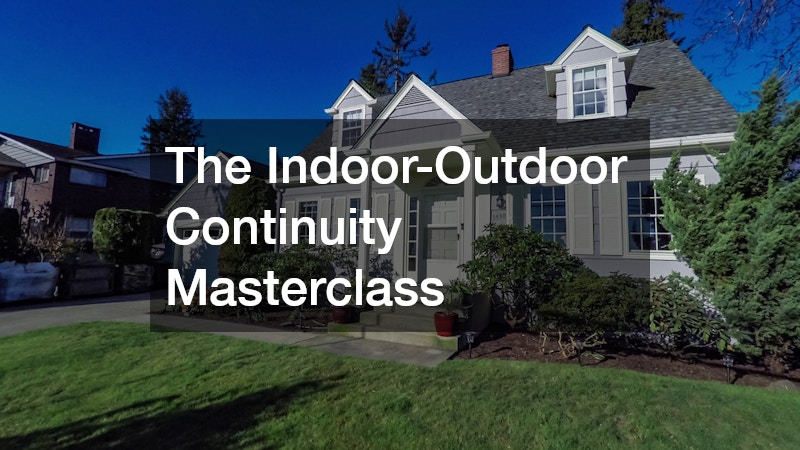
Modern residential design is undergoing a significant shift. For decades, homes were built as a series of isolated boxes, completely separating the interior sanctuary from the raw elements of nature outside. Today, homeowners are looking for something much more fluid. The focus has moved toward creating a continuous living environment where the transition between the living room and the backyard is almost invisible. This design philosophy is not just about aesthetics; it changes how people experience their daily lives, expanding usable square footage and introducing a sense of tranquility into the home.
Achieving this level of architectural harmony requires looking at a property as a cohesive whole. It means aligning interior finishes with exterior landscapes, matching color palettes across thresholds, and ensuring that structural elements work together rather than competing for attention. When done correctly, an open-concept layout extends far beyond the back door, turning a simple garden or terrace into a natural extension of the family room. It invites natural light deep into the core of the house and encourages a lifestyle centered around wellness, comfort, and regular access to fresh air.
Establishing the Visual Foundation Across Boundaries
The floor is the most expansive surface in any home, making it the logical starting point for establishing visual continuity. When someone walks through a house toward an outdoor exit, an abrupt change in flooring material can instantly break the illusion of an open space. To prevent this jarring visual interruption, designers often recommend extending similar tones and textures from the inside out. While using identical materials everywhere is not always practical due to weather exposure, finding complementary surfaces can achieve the exact same unifying effect.
For interior spaces, installing high-quality hardwood flooring provides a warm, organic grounding that naturally sets up a connection to the outdoors. The natural grain patterns and earthy tones of natural wood establish an organic aesthetic that pairs beautifully with exterior elements. To carry this look past the threshold, homeowners can select outdoor decking or stone pavers that mirror the plank width and color profile of the interior wood. Aligning the direction of the floorboards or pavers so they run parallel to the sightlines out the door helps pull the eyes forward, making the entire property feel significantly larger than its actual dimensions.
Harmonizing the Palette with Color Psychology
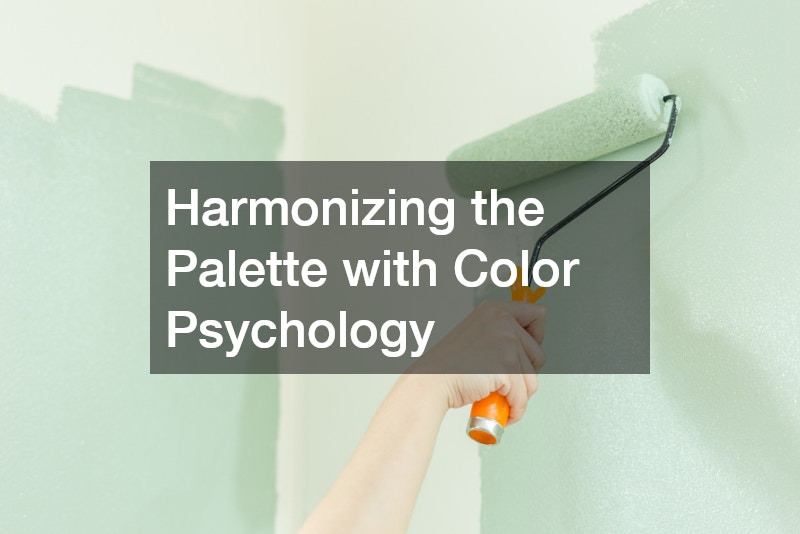
Color plays a vital role in how human brains perceive space and boundaries. If the interior walls are painted a stark, bright white while the outdoor patio area features deep, dark tones, the contrast creates a sharp barrier. A seamless transition relies on a shared color story that flows between both zones. This does not mean the entire property must be painted a single hue, but rather that the tones should belong to the same family or complement one another under different lighting conditions.
When planning a full-property color refresh, collaborating with skilled local painters can make a massive difference in the final outcome. Professional contractors understand how sunlight shifts throughout the day, altering how a paint color looks on an interior drywall surface versus an exterior stucco or wood wall. By selecting sophisticated neutrals, soft earth tones, or muted greens for the main living areas, the interior walls begin to echo the natural environment visible through the glass. This subtle echo tricks the mind into viewing the outdoor space as just another wall of the room, effectively expanding the home’s visual footprint.
Culinary Transitions and Open Layouts
The kitchen has firmly established itself as the central hub of the modern home, and it frequently serves as the primary gateway to the backyard. Because cooking and entertaining have shifted outdoors, designing a kitchen that interacts effortlessly with the patio is a top priority for contemporary renovations. A well-planned layout eliminates physical friction, allowing hosts to pass platters, ingredients, and drinks back and forth without navigating cramped hallways or awkward doors.
An effective strategy involves optimizing the cabinet design to support this indoor-outdoor lifestyle. This means thinking about how storage functions near the perimeter walls. Incorporating walk-through pantries, double-sided glass cabinets, or extended countertops that stretch through a flip-up window directly onto an outdoor bar creates a highly functional staging area. The placement of major appliances and workstations should allow the cook to maintain a direct line of sight to outdoor guests, keeping the chef connected to the social action happening just beyond the glass.
Cohesive Cabinetry Finishes and Textures

Once the structural layout of the kitchen is established, the visual finishes of the cabinetry must be carefully considered to maintain design continuity. The materials, hardware, and colors chosen for indoor storage should ideally find expression in the outdoor kitchen or entertainment pavilion as well. When the eye tracks identical cabinetry styles across both zones, the structural divide disappears, and the two separate kitchens begin to feel like a singular, expansive culinary suite.
Achieving this level of consistency often involves hiring specialized cabinet painters who can apply durable, weather-resistant coatings to exterior installations while matching the exact sheen and hue used indoors. Outdoor cabinetry faces unique challenges, including intense sunlight, moisture, and temperature swings, which require specialized products that standard interior paints cannot provide. By utilizing professionals to precisely match the colors of the interior islands and perimeter cabinets with the outdoor cooking station, homeowners ensure a polished, designer-level look that withstands the elements beautifully over time.
Elevating Transitions Beyond the Backyard
While the backyard is the traditional focus of indoor-outdoor living, the front and side transitions of a property are equally important for overall architectural harmony. The facade of a house establishes the initial narrative, setting expectations for what lies within. A common mistake is focusing all design energy on the rear patio while leaving the front entryways and utility zones disconnected from the broader design theme. Every exterior element, including functional structures, should contribute to the overall aesthetic flow of the home.
The garage, which often occupies a substantial portion of a home’s front elevation, represents an excellent opportunity to reinforce this design continuity. Investing in professional garage door services can completely transform a basic exterior into an integrated architectural feature. Selecting a door style that utilizes the same wood species, metal finishes, or minimalist glass panels found in the main entryway or rear sliding doors creates a cohesive loop around the entire property. This ensures that the home feels unified from the very first moment it is viewed from the street.
Maximizing Sightlines with High-Performance Glass
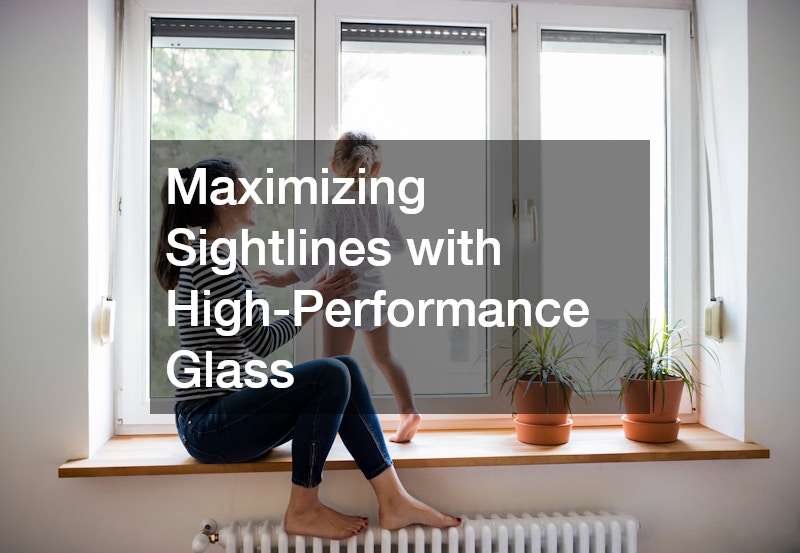
No matter how beautiful the interior flooring or exterior landscaping may be, the connection fails if the physical glass separating them is dirty, damaged, or poorly positioned. Windows and large glass doors are the literal lenses through which people view the relationship between the inside and outside worlds. Large picture windows, corner glass installations, and multi-slide telescoping doors act as living artwork, framing the changing seasons and shifting weather patterns from the comfort of the couch.
Over time, older window units can develop foggy double-panes, worn seals, or structural sagging that mars the view and lets drafty air compromise indoor comfort. Prioritizing timely window repair is essential for keeping these vital visual portals crystal clear and structurally sound. Fixing faulty tracks on sliding doors ensures that opening up the house to a warm breeze is an effortless, daily habit rather than a frustrating chore. Additionally, modern energy-efficient glass coatings protect interior furnishings from sun damage while allowing maximum visible light transmittance, maintaining a bright and open atmosphere.
Grounding the Exterior with Strategic Horticulture
True indoor-outdoor continuity is a two-way street; it requires bringing the outside in, but it also requires structuring the outside to feel like a lived-in room. The plants, trees, and ground covers surrounding a patio shouldn’t look like an afterthought. Instead, they should be arranged to mimic architectural features, creating natural walls, ceilings, and corridors that define different zones within the backyard.
Working alongside experienced landscapers allows homeowners to select plant varieties that complement the interior architecture. For instance, a home with a sleek, minimalist interior design benefits from structural, geometric plants like ornamental grasses or architectural agave. Conversely, a traditional or rustic home matches perfectly with lush, layered English-style gardens. Professional plant placement also considers sightlines from key interior windows, ensuring that a beautiful focal point, such as a flowering tree or a vibrant perennial bed, is perfectly centered when viewed from the dining table or kitchen island.
Structural Hardscaping as an Extension of the Floorplan
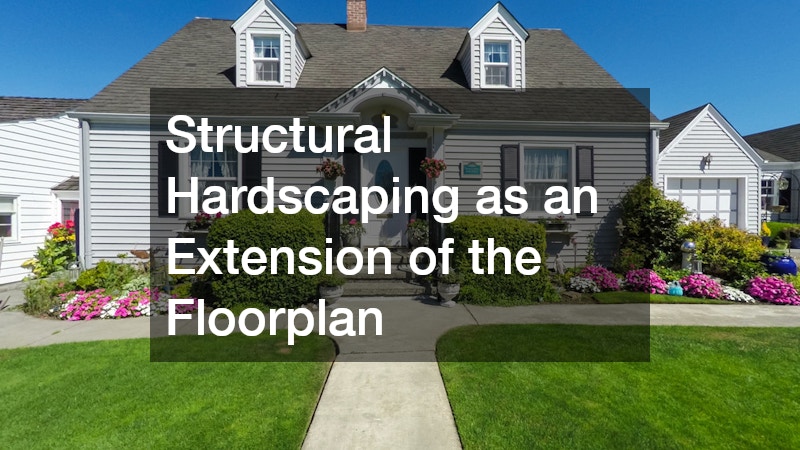
To truly live comfortably outdoors, a property needs solid structural footings that mirror the functionality of indoor rooms. A bare patch of grass is rarely inviting for long-term relaxation or dining. Hardscaping provides the necessary infrastructure for outdoor furniture, dining sets, and cooking stations, transforming an open lawn into a collection of purposeful, functional spaces.
Securing professional patio construction services is the most reliable way to build a durable, level foundation that aligns perfectly with the home’s interior floor level. Eliminating steps or drops at the threshold creates a seamless transition that encourages movement between the spaces. Whether utilizing poured concrete, natural flagstone, or composite decking, the chosen materials should directly relate to the interior finishes. When the outdoor seating area is constructed with the same care, precision, and spatial awareness as a traditional living room, it naturally becomes the most popular gathering spot in the entire home.
Dynamic Climate Control and Privacy Solutions
One of the greatest challenges of an open design philosophy is dealing with the unpredictability of the natural elements. Intense afternoon sun, unexpected wind gusts, and pesky insects can quickly ruin a peaceful afternoon on the patio. Without proper protection, an outdoor room can become unusable for large portions of the year, defeating the purpose of building an integrated indoor-outdoor living space.
Integrating high-quality patio blinds offers an elegant, flexible solution to these environmental challenges. Modern motorized shades can be lowered at the touch of a button to block harsh UV rays, reduce glare, and lower temperatures significantly during the heat of the day. Choosing fabrics that offer outward visibility while blocking heat allows homeowners to enjoy their garden views without sacrificing comfort. These versatile tracking systems essentially serve as temporary walls, allowing the outdoor area to be fully enclosed during inclement weather or opened wide when the conditions are perfect.
Illuminating the Landscape for Nighttime Continuity
The illusion of indoor-outdoor continuity shouldn’t vanish the moment the sun goes down. When night falls, an unlit backyard turns into a dark, reflective mirror on the glass windows, making the interior feel closed in and isolated once again. To maintain the expansive feeling of an open layout after dark, the outdoor spaces must be illuminated with the same care and subtlety as the interior rooms.
Implementing professional landscape lighting extends the visual boundaries of the home deep into the evening hours. Rather than flooding the yard with harsh, bright security spotlights, a well-designed lighting scheme uses soft uplighting on mature trees, path lights along walkways, and subtle wall washes on architectural features. This ambient illumination draws the eye past the glass doors, creating a beautiful depth of field that makes the living room feel just as large at midnight as it does at noon. It creates a magical, welcoming backdrop that enhances the overall atmosphere of the entire property.
The Lifelong Benefits of a Unified Home
Mastering the art of indoor-outdoor continuity is a comprehensive investment that pays dividends in daily comfort, mental well-being, and long-term property value. By breaking down the traditional barriers between internal living areas and external landscapes, a home becomes a versatile canvas that adapts to the changing needs of its occupants. It fosters a deeper connection to nature, encourages an active lifestyle, and provides a sophisticated setting for hosting memorable gatherings with friends and family.
Bringing this complex design vision to life requires patience, careful planning, and the expertise of dedicated professionals across multiple disciplines. From the foundational choices of flooring and paint colors to the structural execution of hardscaping and environmental controls, every single detail plays a vital role in the final harmony of the space. When these elements are executed with precision and unity, the result is a timeless, breathtaking home where the boundaries melt away, and living knows no limits.