
Hiring a reliable contractor is one of the most important steps in ensuring a successful home upgrade. The quality of the professional you choose will determine not only the final appearance of the project but also its durability, cost, and the overall experience you have throughout the process. This article walks you through a detailed, practical guide to help you select the right contractor with confidence and clarity.
Understanding Your Project Needs Before Contacting Professionals

Before reaching out to any contractor, homeowners must dedicate time to fully understanding the type of project they want completed. Every upgrade, whether small or large, depends heavily on having a clearly defined scope that describes the materials, style, timeline, and expectations for the finished product. Taking the time to organize these details in advance allows you to communicate more effectively and determine what type of professional expertise you need.
For example, if you are planning a roof replacement or extensive roof repair, knowing whether you require structural work, new shingles, or ventilation improvements helps you determine whether you need a specialized professional such as a roofing company. Their specific experience ensures that the work is completed according to building codes and manufacturer standards. Similarly, if your upgrade involves bathroom or kitchen renovations, you may require a plumbing company to handle water lines, drainage systems, and fixture installation. Plumbing work often has strict permitting requirements, so knowing exactly what is needed helps you hire someone with the proper credentials.
When you identify your needs early, you become a more informed homeowner—one who is better prepared to discuss project goals, receive accurate estimates, and choose a contractor well suited to the nature of the upgrade.
Gathering Referrals and Creating a Shortlist of Trusted Prospects
Once you fully understand your project, the next step is gathering referrals from reliable sources. Word of mouth remains one of the most trustworthy ways to find a professional, especially when recommendations come from neighbors, colleagues, or family members who have completed similar upgrades. People are often candid about their experiences, making personal referrals a valuable starting point.
However, referrals should not stop at your inner circle. Many homeowners find high-quality professionals by consulting industry-related businesses and local suppliers. For example, when seeking professionals to build or renovate outdoor patios, retaining walls, or landscaping features, suppliers often maintain lists of hardscape contractors who regularly purchase materials from them and have established positive reputations. Similarly, if your home upgrade involves pool enhancements or water features, consulting stores that sell local pool supplies can lead you to contractors who specialize in that type of work and are known for reliability.
Creating a shortlist based on both personal referrals and industry recommendations helps you narrow your options to contractors who already have proven reputations. With this curated list in hand, you can begin researching each candidate’s experience, portfolio, and services in more detail.
Verifying Credentials, Licenses, and Insurance Coverage
Before scheduling interviews or discussing costs, it is essential to verify that each contractor on your shortlist meets all legal and professional requirements. Licensing laws vary from state to state, but most areas require contractors to hold specific certifications depending on the type of work they perform. Checking these licenses ensures they are qualified and authorized to work on your home.
Trades such as electrical work require especially strict licensing because improper installation can present severe safety hazards. This is why verifying qualifications is crucial when hiring local electricians, as the right professional must understand codes, load capacities, and safety protocols. The same level of scrutiny applies when hiring contractors who perform gutter installation, since incorrect installation can lead to significant water damage, foundation issues, and mold concerns. Confirming that the contractor carries liability insurance and workers’ compensation coverage is just as important. Insurance protects both you and the contractor in case of accidents, damage, or injuries during the project.
A reliable contractor will have no issue providing proof of insurance, license numbers, and documentation when asked. If a contractor hesitates or avoids sharing this information, it is a sign that they may not be operating legitimately, and continuing your search is the safest option.
Reviewing Portfolios and Assessing Quality Through Previous Projects

After verifying credentials, the next step is reviewing each contractor’s previous work. A reputable professional should be able to show photos, portfolios, or even in-person examples of completed projects. Pay attention not only to aesthetics but also to the consistency of craftsmanship, attention to detail, and the overall professionalism demonstrated in past jobs.
For outdoor renovations such as patios, decks, and custom exterior structures, you might review the work of deck contractors to examine the stability, finishing quality, and design integration of their projects. This can reveal how well they handle structural elements, weather-resistant materials, and complex layouts. Similarly, when evaluating someone for window replacement, reviewing past window installation work shows you how precisely the contractor handles sealing, framing, and alignment—details that directly affect energy efficiency and long-term performance.
In addition to portfolios, speak with previous clients whenever possible. Former customers can share insight about communication, punctuality, cleanliness, and overall satisfaction—factors that do not appear in photos but matter significantly during the renovation process.
Conducting Interviews That Reveal Reliability and Working Style
With a refined list of candidates, it’s time to schedule interviews. These conversations help you understand each contractor’s communication style, problem-solving approach, and expertise. During the interview, pay attention not only to what they say but also to how thoroughly they answer questions. A reliable professional should be willing to explain processes clearly, offer insights, and address concerns without seeming impatient or dismissive.
When interviewing professionals for work involving walls or interior finishing, you may speak with local drywall companies to understand how they schedule multiple stages of drywall installation, including taping, mudding, and sanding. Their responses should reflect a clear and organized process. Likewise, when evaluating someone who performs structural or decorative concrete and stonework, interviewing a masonry contractor gives you insight into how they handle curing times, material quality, and long-term durability. Contractors who can explain technical details in everyday language typically demonstrate stronger communication skills and leadership on the job.
Interviews also help you gauge whether the contractor’s expectations align with your own. If the communication feels strained or rushed during the interview, it may foreshadow challenges during the project. Choosing someone who listens attentively and communicates clearly is essential for a smooth experience.
Comparing Bids, Understanding Cost Breakdowns, and Avoiding Hidden Fees
Once interviews are complete, the next step is reviewing estimates from each contractor. A professional estimate should include detailed descriptions of labor costs, material expenses, timelines, projected completion dates, and any allowances. It should also identify whether the contractor charges for obtaining permits or for unexpected adjustments that may arise during the project.
Comparing bids is not just about choosing the lowest price. In fact, extremely low bids can indicate inferior materials, rushed labor, or hidden fees that appear later. A thorough contractor will provide an estimate that explains exactly what is included, what may incur additional costs, and how changes to the project will be handled. When comparing bids, look for clarity, transparency, and consistency in pricing. A contractor who provides a well-structured estimate is more likely to manage your project professionally and responsibly.
Understanding what each line item represents helps you identify whether the estimate matches your expectations and whether the contractor has accounted for all essential elements of the upgrade. Taking time to evaluate these details protects you from surprises and ensures you choose a contractor who values honesty and clarity.
Reviewing Contracts Carefully Before Committing

Before any work begins, a detailed contract must be signed by both parties. This document should outline every major aspect of the project, including the scope of work, precise materials and brands, start and completion dates, payment schedules, warranties, cleanup responsibilities, and dispute resolution processes. A complete contract protects you by clearly establishing expectations and reducing the likelihood of misunderstandings.
A reliable contractor welcomes contract reviews and does not rush homeowners into signing. If anything is unclear or missing, ask for revisions before agreeing. Contracts lacking detail, timelines, or pricing terms should be treated as warning signs. A professional who avoids providing specifics may also avoid accountability later. The best contractors value transparency and insist on written agreements because they help maintain organization and trust.
Establishing Communication Expectations and On-Site Protocols
After signing the contract, it is important to establish communication expectations for the project. Discuss who your main point of contact will be, how often you will receive updates, and which communication methods—such as phone calls, emails, or text messages—are preferred. Agreeing on these procedural details helps prevent confusion and ensures a steady flow of information throughout the project.
Additionally, it is helpful to define on-site expectations, including where workers can park, what areas of the home are restricted, and how cleanup will be handled each day. Simple agreements about noise, working hours, and access can prevent misunderstandings. When homeowners and contractors set expectations early, the entire project runs more smoothly.
Expanding on this, early conversations about site logistics also help establish mutual respect and prevent unnecessary delays. Clarifying whether the crew will have access to electricity, water, or restrooms, for example, avoids last-minute complications that could disrupt the workflow. Homeowners should also discuss how to handle unforeseen issues, such as discovering hidden structural problems or needing to adjust the scope of work. When both parties understand how decisions will be communicated and documented, it becomes easier to navigate unexpected situations calmly and professionally. Establishing these details up front creates a sense of partnership rather than tension, strengthening the working relationship for the duration of the project.
Monitoring Work Progress Without Micromanaging
As the project progresses, homeowners should stay engaged, but not to the point of interfering with the contractor’s work. Monitoring progress allows you to verify that materials are delivered correctly, tasks are completed according to schedule, and any issues are addressed promptly. Maintaining open communication ensures small concerns are resolved before they escalate.
However, excessive oversight or constant interruptions can slow the project and create tension. A balanced approach—checking in regularly but respecting the contractor’s expertise—encourages a productive working relationship. Documenting progress through photos or notes may also be helpful, especially when multiple stages of the upgrade span several weeks or months.
Expanding on this idea, homeowners can also benefit from scheduling brief, structured check-ins with the contractor at key points in the project rather than attempting to monitor every minute detail. These planned discussions provide an opportunity to review completed work, confirm upcoming tasks, and address anything that may require clarification. This method supports efficiency by ensuring both parties remain informed without disrupting the workflow. Additionally, keeping a written record of changes, approvals, or concerns can prevent misunderstandings later in the project. When homeowners stay organized and proactive without micromanaging, the contractor is able to maintain focus, the project stays on track, and the overall experience becomes more positive for everyone involved.
Handling Project Changes, Delays, and Final Walkthroughs
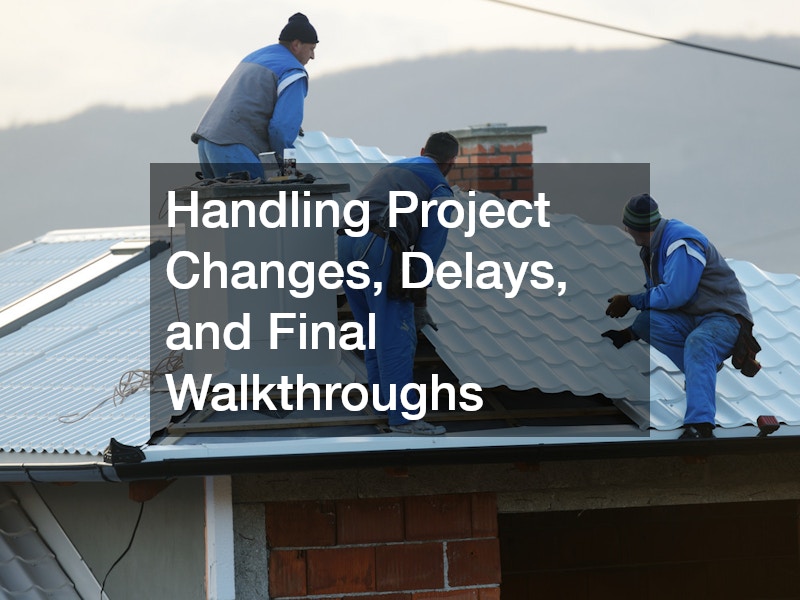
Even the best planned projects may face changes or delays due to weather, material shortages, or unexpected structural issues. A reliable contractor should explain these challenges clearly, provide updated timelines, and present solutions. When changes require additional costs, a written change order ensures both parties understand the adjusted terms.
As the project nears completion, a final walkthrough is crucial. This inspection allows you to identify any unfinished work, ensure installations meet expectations, and confirm that the contractor has completed the job according to the contract. Only after confirming these details should the final payment be issued. A thorough walkthrough protects your investment and ensures the project concludes successfully.
Hiring a reliable contractor is one of the most impactful decisions homeowners make when upgrading their homes. By understanding your needs, researching professionals carefully, reviewing credentials, and maintaining clear communication, you can significantly improve your chances of a smooth and successful project. Following these steps allows homeowners to choose trustworthy professionals who bring skill, integrity, and lasting value to the work performed.