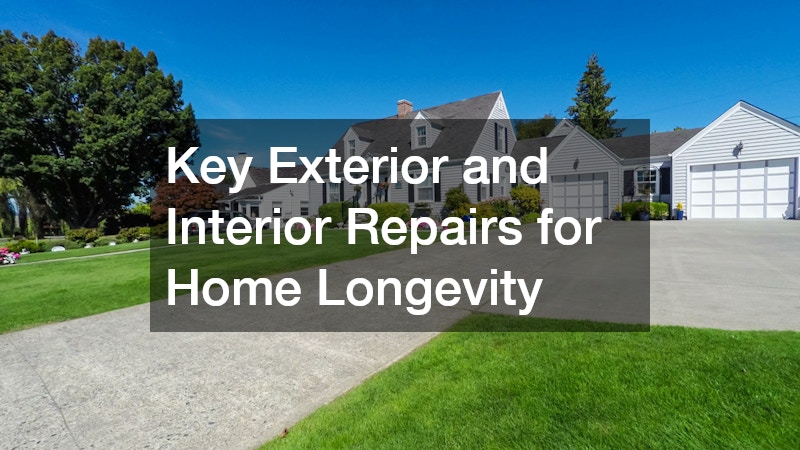
A home is one of the most significant investments you’ll ever make, and like any investment, it requires consistent care to maintain its value. While cosmetic upgrades often get the spotlight, the real key to long-term durability lies in addressing structural, mechanical, and system-level concerns before they escalate. Small, overlooked issues—like a minor leak or a clogged drain—can quietly develop into expensive repairs that impact your home’s safety, efficiency, and longevity.
Taking a proactive approach means understanding how different systems inside and outside your home work together. Water management, structural integrity, electrical safety, and climate control all play critical roles in preserving your property. By staying ahead of maintenance and knowing when to bring in professionals, you can prevent costly damage and extend the life of your home for decades.
This guide breaks down the most important interior and exterior repairs homeowners should prioritize, along with actionable tips to help you stay on track.
Assessing Your Home’s Condition with a Seasonal Inspection Plan
Routine inspections are the foundation of a long-lasting home. Instead of waiting for something to break, a seasonal approach helps you catch early warning signs and address them before they worsen. Being proactive not only saves money but also reduces the stress of dealing with emergency repairs.
Start by dividing your home into key zones: exterior, roof, plumbing, electrical, and HVAC systems. Then, inspect each area at least once per season. Taking a structured approach ensures that nothing gets overlooked and helps you stay consistent throughout the year.
It’s also helpful to create a simple tracking system. Whether you use a notebook, spreadsheet, or home maintenance app, keeping records allows you to compare changes over time. For example, a small crack in the foundation or a minor ceiling stain may not seem urgent at first, but if it grows between inspections, it’s a clear sign that action is needed.
What to include in your inspection checklist:
- Look for cracks in walls, ceilings, and foundations
- Check for signs of moisture, such as stains or musty odors
- Inspect windows and doors for drafts or gaps
- Test smoke detectors and carbon monoxide alarms
- Examine outdoor areas for drainage or grading issues
In addition to visual checks, pay attention to how your home feels and sounds. Unusual odors, increased humidity, or strange noises from systems can all indicate underlying problems that aren’t immediately visible.
Seasonal priorities:
- Spring: Check for winter damage, inspect roofing and drainage
- Summer: Evaluate cooling systems and exterior surfaces
- Fall: Prepare heating systems and clear debris
- Winter: Monitor insulation and watch for ice-related issues
By documenting your findings each season, you can track changes over time and plan repairs more effectively. This habit also helps you budget for future projects and prioritize repairs based on urgency rather than reacting to unexpected failures.
Prevent Water Damage by Maintaining Gutters and Clearing Drains

Water is one of the most destructive forces your home can face. Without proper drainage, it can weaken your foundation, damage walls, ruin landscaping, and create conditions for mold growth inside your home. Even small drainage issues can gradually escalate, leading to costly structural repairs if ignored over time. Moisture that collects around the base of your home can also seep into basements and crawl spaces, increasing humidity levels and encouraging pests.
Regular gutter service ensures that rainwater is directed safely away from your home. When gutters are clogged or damaged, water can overflow, spill down exterior walls, and pool around your foundation. Over time, this can lead to cracks in concrete, soil erosion, and basement leaks.
Tips for maintaining your gutters:
- Clean them at least twice a year, especially in spring and fall
- Install gutter guards to reduce debris buildup
- Check for sagging sections or loose fasteners
- Ensure downspouts direct water at least 3–5 feet away from your home
- After heavy storms, visually inspect for blockages or overflow
It’s also important to consider roof runoff patterns. If water is consistently overflowing in one area, it may indicate a slope or alignment issue that needs correction. Taking care of these small adjustments early can prevent major repairs later.
Inside your home, drain cleaning plays an equally important role. Slow or clogged drains can lead to backups, unpleasant odors, and even pipe damage. Left untreated, buildup inside pipes can harden and restrict water flow, eventually requiring more invasive repairs.
Signs you need professional help:
- Water draining slowly from sinks or tubs
- Gurgling sounds in pipes
- Frequent clogs in multiple fixtures
- Unpleasant smells coming from drains
- Water backing up during heavy usage
Preventative maintenance, like avoiding grease buildup, using drain screens, and flushing drains with hot water regularly, can go a long way in protecting your plumbing system. Combining interior and exterior water management strategies ensures your home remains protected from one of the most persistent causes of long-term damage.
Protect Your Home from Above with Timely Roof Care
Your roof is your home’s first line of defense against the elements, shielding everything beneath it from rain, snow, wind, and temperature extremes. Even minor damage can allow water to seep in, leading to structural issues, insulation problems, and interior damage that may not become visible until significant harm has already occurred. Because roof issues often start small and progress quietly, early attention is essential.
Roof repair should never be delayed. Missing shingles, cracked flashing, loose ridge caps, or damaged vents can quickly escalate into larger problems if left unaddressed. What begins as a minor vulnerability can turn into widespread leaks, wood rot, or mold growth within walls and ceilings. Regular visual inspections, especially after storms or high winds, can help you catch these issues early before they compromise your home’s structure.
Watch for these warning signs:
- Water stains on ceilings or walls
- Shingles that are curled, cracked, or missing
- Granules collecting in gutters
- Visible sagging or uneven rooflines
It’s also important to inspect your attic periodically. Damp insulation, daylight peeking through roof boards, or musty odors can indicate hidden roof damage that isn’t visible from the outside. Catching these signs early can significantly reduce repair costs.
In some cases, repairs may not be enough. A full roof installation becomes necessary when damage is widespread or the roof has reached the end of its lifespan. While replacement is a larger investment, it often prevents ongoing repair costs and provides improved energy efficiency and structural reliability.
When to consider replacement:
- Your roof is over 20–25 years old
- Repairs are becoming frequent and costly
- There are multiple leaks or structural concerns
- Shingles are extensively deteriorated or brittle
- Energy bills have increased due to poor insulation performance
Investing in high-quality materials and professional installation ensures long-term protection and peace of mind. A properly installed roof not only safeguards your home but also enhances curb appeal and overall property value, making it one of the most important long-term maintenance decisions a homeowner can make.
Stop Hidden Moisture Issues Before They Escalate
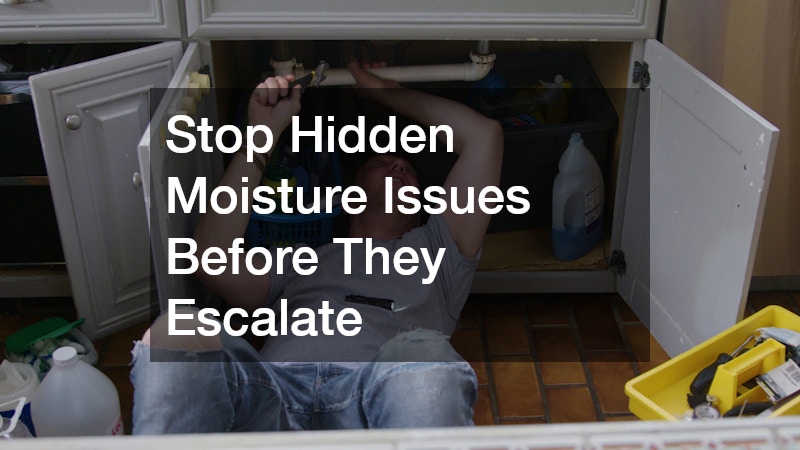
Not all water damage is visible. Hidden leaks behind walls, under floors, or in ceilings can go undetected for long periods, causing significant structural deterioration.
Leak detection is essential for identifying these issues early. Professionals use advanced tools like moisture meters, infrared cameras, and pressure tests to locate problem areas without invasive methods.
Common sources of hidden leaks:
- Pipes behind walls or under slabs
- Roof penetrations and flashing
- Around windows and doors
- HVAC systems and condensation lines
Steps homeowners can take:
- Monitor water bills for unexplained increases
- Check for damp spots or discoloration
- Listen for dripping or running water sounds
- Inspect areas around appliances regularly
Addressing leaks early not only prevents damage but also protects indoor air quality by reducing the risk of mold growth.
Keep Plumbing Systems Running Efficiently Year-Round
A well-maintained plumbing system is essential for daily comfort and long-term home health. Ignoring small issues can lead to pipe bursts, water damage, and costly repairs.
Plumbing repairs should be handled promptly, whether it’s a dripping faucet or a more serious issue like low water pressure.
Common plumbing problems to watch for:
- Leaky faucets or fixtures
- Running toilets
- Low or inconsistent water pressure
- Discolored or foul-smelling water
Preventative maintenance tips:
- Insulate pipes to prevent freezing in colder months
- Avoid flushing non-degradable items
- Regularly check for corrosion or rust
- Schedule periodic professional inspections
Staying proactive helps extend the life of your plumbing system and minimizes the risk of emergencies.
Ensure Reliable Comfort with Heating System Upkeep
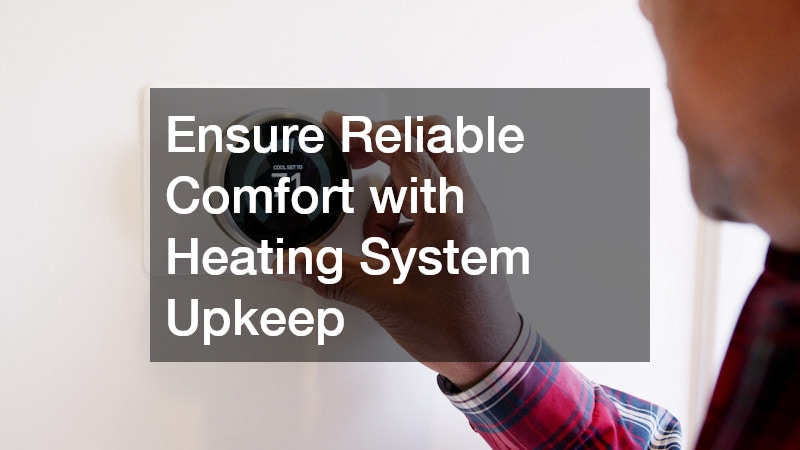
Your heating system plays a crucial role in maintaining a comfortable and safe indoor environment, especially during colder months. Neglecting maintenance can lead to inefficiency, higher energy bills, and unexpected breakdowns.
Heating repair becomes necessary when your system shows signs of wear or malfunction.
Key warning signs include:
- Uneven heating throughout your home
- Strange noises like banging or rattling
- Increased energy bills without increased usage
- Frequent cycling on and off
Maintenance tips to improve performance:
- Replace filters regularly
- Keep vents and registers clear
- Schedule annual professional tune-ups
- Check thermostats for proper operation
Regular upkeep not only ensures comfort but also extends the lifespan of your heating system.
Work with the Right Professionals for HVAC Efficiency
Heating and cooling systems are complex, and maintaining them requires specialized knowledge. Working with a HVAC contractor ensures your system operates efficiently and reliably year-round.
What to look for in a contractor:
- Proper licensing and certifications
- Positive customer reviews and references
- Transparent pricing and detailed estimates
- Experience with your specific system type
Benefits of regular HVAC maintenance:
- Improved energy efficiency
- Better indoor air quality
- Fewer unexpected breakdowns
- Longer system lifespan
Professional servicing can also identify minor issues before they become major problems, saving you time and money in the long run.
Maintain Electrical Safety and Prevent Hazards at Home
Electrical systems are often out of sight, but they should never be out of mind. Faulty wiring or outdated components can pose serious safety risks, including fires.
An experienced electrician can assess your system and address any concerns.
Common electrical issues:
- Flickering or dimming lights
- Frequently tripped breakers
- Outlets that feel warm to the touch
- Outdated wiring in older homes
Safety tips for homeowners:
- Avoid overloading outlets
- Use surge protectors for electronics
- Test GFCI outlets regularly
- Schedule inspections for older systems
Keeping your electrical system in good condition is essential for both safety and functionality.
Preserve Curb Appeal and Structure with Exterior Updates
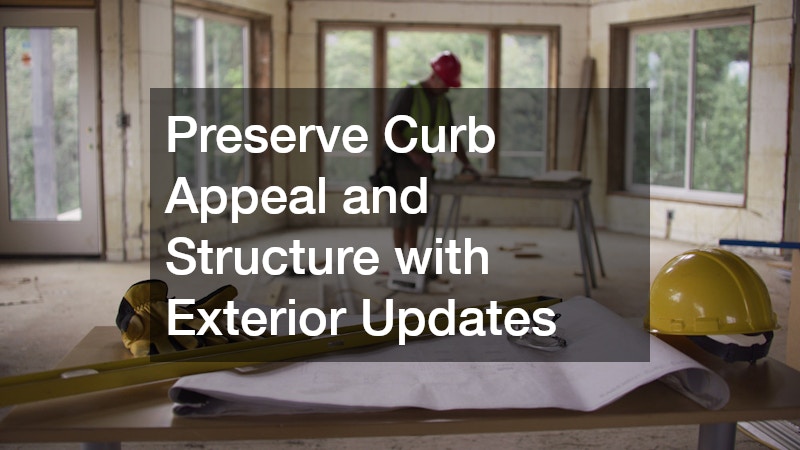
Your home’s exterior does more than create visual appeal—it also protects against weather, pests, and structural damage.
Siding contractors play a key role in maintaining this protective barrier. Damaged or aging siding can allow moisture to penetrate, leading to rot and insulation problems.
Signs your siding needs attention:
- Cracks, warping, or loose panels
- Fading or peeling paint
- Increased energy bills due to poor insulation
- Mold or mildew growth
Maintenance best practices:
- Clean siding annually to remove dirt and debris
- Inspect after severe weather events
- Repair small issues before they spread
- Choose durable materials for replacements
Investing in exterior upkeep helps maintain both the appearance and integrity of your home.
Creating a Long-Term Home Maintenance Strategy That Works
A well-thought-out maintenance plan is the key to keeping your home in excellent condition over time. Instead of reacting to problems, a strategic approach allows you to anticipate needs and budget accordingly.
Steps to build your plan:
- Prioritize repairs based on urgency and impact
- Set aside a yearly maintenance budget
- Keep records of inspections and repairs
- Schedule regular checkups with trusted professionals
How to stay organized:
- Use a digital or physical maintenance calendar
- Create reminders for seasonal tasks
- Track warranties and service agreements
- Build relationships with reliable service providers
Consistency is what makes the difference. Small, regular efforts add up to significant long-term benefits.
Building a Stronger, Longer-Lasting Home
Maintaining a home for the long haul requires more than occasional fixes—it demands a proactive, informed approach. By paying attention to both interior systems and exterior structures, you can prevent minor issues from becoming major problems. From managing water flow and structural integrity to ensuring safe electrical and climate systems, every component plays a role in your home’s overall health.
When you commit to regular inspections, timely repairs, and professional support when needed, you not only protect your investment but also create a safer, more comfortable living environment. A well-maintained home isn’t just about avoiding costly repairs—it’s about building a space that stands strong for years to come.