
Understanding how to hire a reliable HVAC contractor is crucial for ensuring a comfortable and efficient home environment. This article will guide you through the most important considerations and common queries related to hiring the best professional for your HVAC needs. With the right approach, you can ensure a seamless integration of HVAC services into your new home, guaranteeing both comfort and cost-efficiency.
Here are several valuable tips to consider when hiring an HVAC contractor:
- Conduct Thorough Research: Start by gathering substantial information about several local HVAC contractors. Check their customer reviews, ratings, and any feedback available on various online platforms to assess their reputation.
- Verify Credentials: Confirm that the contractor holds the necessary licenses and certifications required by your state and region. A licensed contractor evidences the knowledge and skills essential to handle a range of HVAC systems.
- Experience Matters: An experienced HVAC contractor can provide insight and recommendations that a novice might not. Their familiarity with different systems and situations enables them to troubleshoot effectively and implement efficient solutions.
- Request Estimates: Upon shortlisting potential contractors, request detailed estimates. These should be transparent and outline all potential costs involved, helping you to budget effectively without unexpected surprises.
- Check References: Ask contractors for references from previous customers. A conversation with past clients provides firsthand information about the contractor’s reliability, punctuality, and quality of work.
- Insurance is Key: Ensure the contractor has liability insurance to protect you in the event of any damage or accidents that might occur during installation or repairs.
- Look for Guarantees and Warranties: A contractor who stands by their work will offer guarantees on their labor. Additionally, ensure that warranties on parts and equipment are clearly communicated and understood.
By paying attention to these essential factors, you are not only choosing a contractor but also investing in the long-term comfort and efficiency of your home. Remember, knowledge is power. Being informed empowers you to make wise decisions that ensure a pleasant and trouble-free living environment. By deliberately navigating this process, you are securing a dependable and efficient HVAC system, contributing to the overall well-being and peace of mind in your everyday life.
Take these preparatory steps and enjoy the rewarding outcome of a comfortable, energy-efficient home.
Tip 1: Identifying What to Look for in HVAC Repairs
Identifying Common HVAC Repair Needs
Common HVAC repair needs often arise from regular wear and tear, and can include issues like refrigerant leaks and thermostat failures. Spotting these issues early can save you from costly repairs later on, highlighting the importance of regular maintenance checks. Making sure these repairs are addressed by reputable HVAC companies is key to maintaining an efficient system.
How to Assess HVAC Repair Quality
To assess the quality of HVAC repairs, look for detailed written estimates and reviews from previous clients. A quality repair is not only about fixing the immediate issue but also ensuring long-term performance and energy efficiency. Make sure your chosen contractor adheres to industry standards and utilizes modern equipment for any repairs.
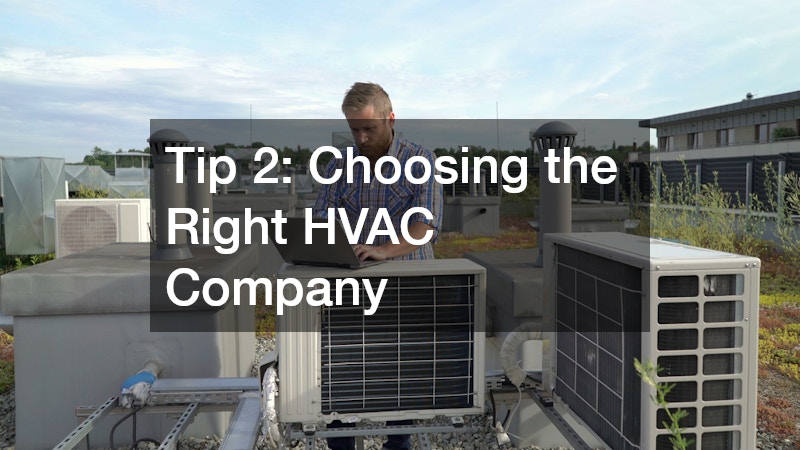
Tip 2: Choosing the Right HVAC Company
Evaluating Company Reputation
A reputable HVAC company will have verifiable credentials and affiliations with professional associations. Check online reviews and ask for references to gauge the reliability and customer satisfaction history of the company. An established company usually has a track record of timely service and professional repairs.
Comparing Service Offerings
When choosing an HVAC company, compare the range of services offered, including installation, repair, and maintenance services. Understand not just what is included in their service offerings but also the quality of their customer support and follow-up service. Investing in a company that provides comprehensive HVAC services can ensure that all your needs are met efficiently.
Tip 3: Recognizing When Furnace Repair is Necessary
Signs Your Furnace Needs Repair
Be attentive to signs such as strange noises, fluctuating heating levels, and an increase in energy bills to identify when furnace repair is necessary. Often, these symptoms indicate underlying problems that, if left unattended, can lead to more severe issues. Addressing these signs promptly with a furnace repair expert ensures your heating system operates smoothly and efficiently.
Choosing a Furnace Repair Specialist
Selecting a specialist for furnace repair requires attention to credentials and expertise in handling your specific furnace system. A dependable specialist will offer transparent pricing, a detailed repair plan, and the assurance of a job well done. It’s beneficial to choose a contractor familiar with the latest HVAC technologies to optimize performance.
Tip 4: Understanding Expected HVAC Services
Overview of Standard HVAC Services
Standard HVAC services encompass installation, regular maintenance, and emergency repairs, aiming to maximize system lifespan and reliability. Routine maintenance services often include cleaning, inspections, and filter changes, which are foundational for efficient system functioning. Effective HVAC services prioritize both immediate comfort and long-term savings on energy bills.
Custom HVAC Solutions Available
Many HVAC companies offer custom solutions tailored to the specific needs of your home, considering factors like size, layout, and energy efficiency goals. These solutions might include smart thermostats, high-efficiency systems, and innovative air filtration technologies. Investing in these tailored solutions can substantially improve your home comfort and reduce your environmental impact.
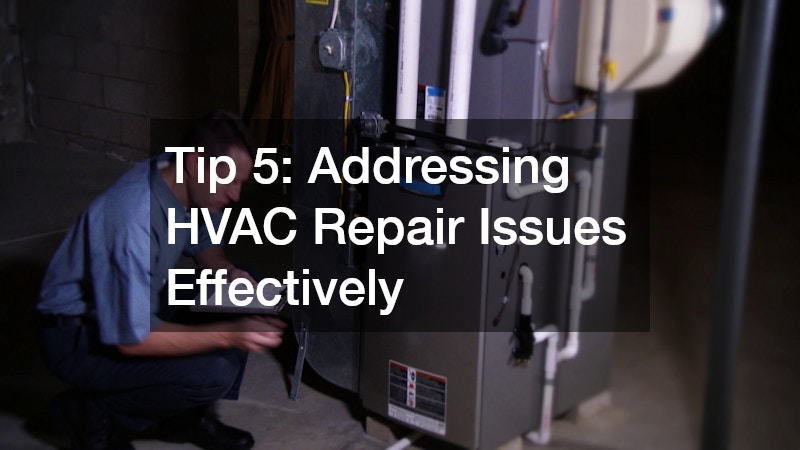
Tip 5: Addressing HVAC Repair Issues Effectively
DIY Troubleshooting vs Professional Repair
While some minor HVAC repair issues might be addressed with basic DIY troubleshooting, professional repair is often necessary for more complex problems. Attempting to fix major issues yourself can lead to further damage and costly repairs. Professional HVAC repair technicians provide expertise, tools, and assurance necessary to effectively resolve system issues.
Selecting a Qualified HVAC Repair Technician
Ensure your chosen HVAC repair technician is certified and has a history of responsive and reliable service. A qualified technician should offer explanations and guidance on issues and repairs required, fostering trust and reliability. Timely response and professionalism are key indicators of a capable repair technician.
Tip 6: Knowing What to Expect from Local AC Companies
Benefits of Hiring a Local AC Company
Hiring a local AC company offers benefits including quick response times, community knowledge, and personalized service. Local companies are often more accessible and can offer faster turnaround for both routine and emergency services. Supporting local businesses also aids the community, reinforcing economic growth and local expertise.
Comparing Local vs National HVAC Companies
Local HVAC companies typically provide more personalized service and understand regional climate-specific needs better. In contrast, national companies often offer a wider range of resources and warranties, appealing to customers looking for large-scale reliability. Evaluating the balance between these aspects aids in making an informed decision suitable for your needs.
Tip 7: Ensuring Effective Air Filtration
Impact of Air Filtration on Health
Effective air filtration significantly impacts indoor air quality and overall health by removing pollutants and allergens. Proper air filtration can prevent respiratory issues and promote wellness, especially important in homes with children or elderly residents. Investing in high-quality air filtration systems is a proactive step towards a healthier living environment.
Types of Air Filtration Systems
There are various types of air filtration systems available, ranging from basic filters to advanced HEPA and UV filters. Each type offers different benefits and effectiveness levels, depending on specific household needs. Understanding these options ensures you choose a system that aligns effectively with your family’s health requirements.
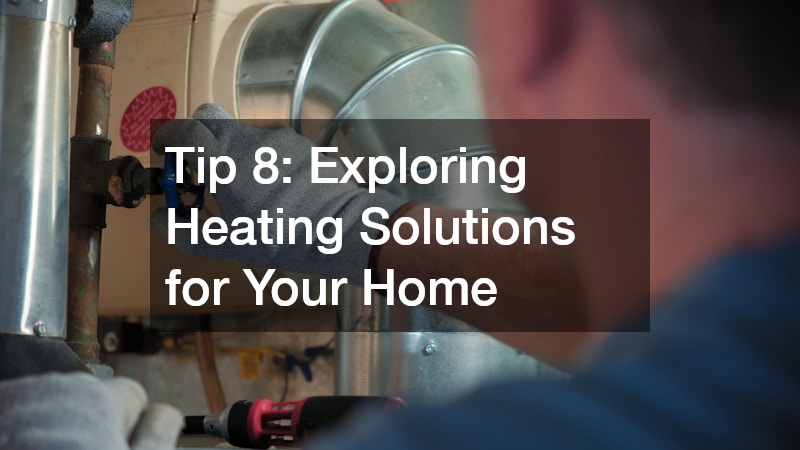
Tip 8: Exploring Heating Solutions for Your Home
Types of Modern Heating Systems
Modern heating solutions include high-efficiency furnaces, heat pumps, and radiant heating systems, each offering unique benefits. These systems are designed to provide superior comfort while minimizing energy use and environmental impact. Evaluating efficiency ratings and heating method compatibility with your home is crucial for optimal system selection.
Efficiency Considerations for Heating
Efficiency is a central consideration when selecting heating systems, with newer models significantly reducing energy costs. Look for units with Energy Star ratings and consider programmable thermostats for improved efficiency. Properly sizing the system to your home’s needs is also essential for effective energy use and cost savings.
Tip 9: Finding Reliable Local Heating Repair Services
Tips for Finding Reliable Local Heating Repair
When seeking local heating repair, prioritize companies with strong local reputations and testimonials indicating reliable service. Networking with neighbors and seeking recommendations can uncover trustworthy local heating repair options. Reliability in service, clear communication, and satisfied customer experiences are key factors to evaluate.
Common Heating Problems and Solutions
Common heating problems include irregular heat output, noise, and sudden shutdowns, often resulting from neglect or system age. Regular inspections and timely repairs are critical solutions for these issues, mitigating potential downtime. Understanding warranty conditions and service agreements also aids in managing predictable maintenance effectively.
Tip 10: Evaluating a Contracting Service Effectively
Essential Aspects of Contracting Services
Evaluating a contracting service involves examining expertise, service variety, and client interactions. Key aspects include the ability to provide custom solutions and responsive customer support. Conduct thorough background checks and focus on clear communication practices that indicate ethical and professional conduct.
Verifying Credentials and Professionalism
Ensure the contracting service maintains necessary licenses and certifications, reflecting their commitment to industry standards. Professionalism is evidenced through timely communication, transparent pricing, and adherence to contract terms. Check for these credentials and conduct reference checks to affirm reliability and quality of service.
Tip 11: Asking the Right Questions Before Hiring an HVAC Contractor
Key Questions to Ask Potential Contractors
Asking the right questions can unveil crucial information about a potential HVAC contractor’s capability and service quality. Inquire about their experience with systems similar to your own, service warranties, and policy for handling unexpected issues. These questions not only clarify expectations but also establish a solid foundation for service delivery.
Understanding Contractual and Payment Terms
Before engagement, carefully review all contractual terms, ensuring transparency and mutual understanding of service, payment, and completion schedules. Scrutinize payment milestones, potential additional costs, and warranty coverages offered for services performed. This diligence aids in preventing misunderstandings and ensuring clarity in service delivery expectations.
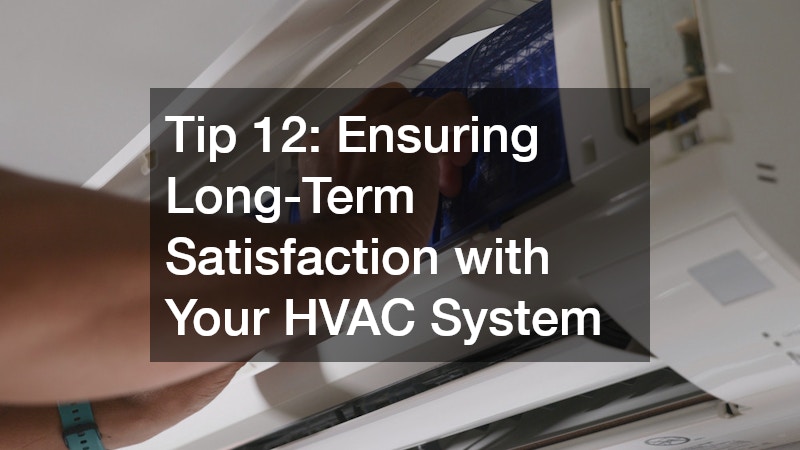
Tip 12: Ensuring Long-Term Satisfaction with Your HVAC System
Maintenance Tips for Prolonging HVAC Lifespan
Regular and thoughtful maintenance are the cornerstone practices for ensuring that your HVAC system serves you reliably for years to come. These systems, which are an essential part of maintaining comfort in your home or business, require more than just occasional attention to function properly over an extended period. Here are some detailed tips and explanations on why regular maintenance is crucial.
Seasonal Inspections: Just like how you wouldn’t ignore regular health check-ups, your HVAC system also benefits significantly from periodic inspections. Conducting these inspections with the change of each season allows for early detection of potential issues that, if left unattended, might develop into severe problems. During these inspections, a trained technician will thoroughly examine your system, identifying wear and tear in components like belts and bearings, checking electrical connections, and ensuring controls are functioning correctly. This is vital for catching minor issues before they lead to major, costly repairs that could have been otherwise avoided.
Comprehensive Cleanings: Over time, dust, dirt, and debris accumulate within your HVAC system, which can severely impact its efficiency. Regular cleanings remove these contaminants, ensuring that all components, from filters to coils, are free-flowing. Clean systems not only perform better but also contribute to improved indoor air quality, which is critical for the health and comfort of all occupants. Scheduling routine cleanings before peak usage periods, such as summer and winter, can significantly enhance HVAC performance and help reduce energy consumption.
Frequent Filter Changes: The filters within your HVAC system play a crucial role in trapping particles and improving air quality. However, they can quickly become clogged with dust and debris, especially during periods of heavy usage. Changing your filters regularly, ideally every 1-3 months depending on usage and manufacturer recommendations, reduces strain on your system. This straightforward practice not only extends the life of your HVAC unit but also keeps your energy costs predictable and low by enabling your system to run more efficiently.
Monitoring Performance of Installed Systems
Monitoring HVAC performance involves regular system checks, tracking energy usage, and awareness of potential warning signs. Having a performance log helps identify anomalies early, facilitating prompt repair action. Implementing regular system assessments alongside professional inspections aids in sustaining system efficiency and reliability.
When building or purchasing a new home, maintaining a comfortable and pleasant living environment is paramount. One of the key aspects contributing to this comfort is a well-functioning HVAC system, which stands for Heating, Ventilation, and Air Conditioning. Selecting a proficient and reliable HVAC contractor is crucial to ensure that the HVAC system installed in your new home meets your personal comfort needs and operates efficiently.